
Platform
9Wickets API Explained: Features and Developer Guide
A plain-English guide to how a betting platform API like the 9Wickets API works — odds feeds, wallets, authentication and what developers should look for.
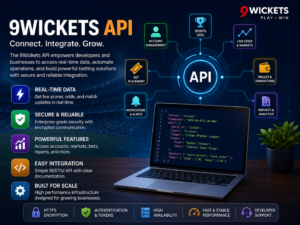
People searching for the “9Wickets API” usually mean one of two things: they want to understand how a modern sports-betting platform is wired together behind the scenes, or they are a developer curious about how odds, wallets and accounts talk to each other. This guide explains the concepts in plain English.
What an API actually does on a betting platform
An API — an application programming interface — is simply the set of rules one piece of software uses to ask another piece of software for something. On a sports-betting platform, almost everything you see on screen arrives through one. The match list, the odds beside each market, your balance in the top corner and the status of your last withdrawal are all values fetched from a service and painted into the page.
The moving parts
Odds and event feeds
Odds are not typed in by hand. They arrive from data providers that track live fixtures ball by ball and publish price changes continuously. The platform consumes that feed, applies its own margin, and pushes the result to your screen. This is why an in-play cricket price can move between the moment you tap it and the moment the bet is accepted — and why any serious platform re-checks the price server-side before confirming a bet.
Accounts and authentication
Login, session handling and identity checks sit behind an authentication layer. Every request that touches money — placing a bet, requesting a withdrawal — has to prove who is making it. This is the part of the system that has the least room for shortcuts.
Wallet and payments
Deposits and withdrawals connect the platform to local payment rails. In Bangladesh that means mobile financial services such as bKash, Nagad and Rocket. The wallet service records the balance; the payment integration moves the actual money. Keeping those two responsibilities separate is what makes a ledger auditable.
Bet settlement
When a match finishes, results come back from the same feed that supplied the odds, and open bets are settled against the official outcome. Anything ambiguous — an abandoned match, a void market — is held rather than guessed.
What this means for you as a player
You do not need to know any of this to place a bet. But it explains a few things that often confuse new bettors: why odds move, why a bet can be rejected if the price changed, why verification is asked for before a withdrawal is released, and why a platform that keeps these systems tight feels faster and more trustworthy than one that does not.
A note on integrations
9Wickets does not publish a public developer API for third parties. If you have seen an offer promising “9Wickets API access”, treat it with caution and check with our official customer support before sharing any account details. The only channels we operate are the ones linked from this site.
Ready to play? Open a 9Wickets account or reach our customer support team.
Keep reading
Related guides

Top-Rated Best Betting Sites in the World for Sports Betting and Casino Games
The online betting industry has grown rapidly over the last decade, giving bettors access to thousands of sports markets, casino […]
Read the guide
Best 7 Bet App Guide: Download, Features & Latest Updates
The 7 Bet App has become one of the most talked-about mobile betting platforms among sports betting enthusiasts and online […]
Read the guide
9Wickets Payment Methods: Deposit & Cash Out
A quick reference to 9Wickets payment methods: which local options are supported, how cashing out works, and the checks to expect.
Read the guideReady to put this guide to work?
Open a 9Wickets account with bKash, Nagad or Rocket, or talk to support if you need a hand.